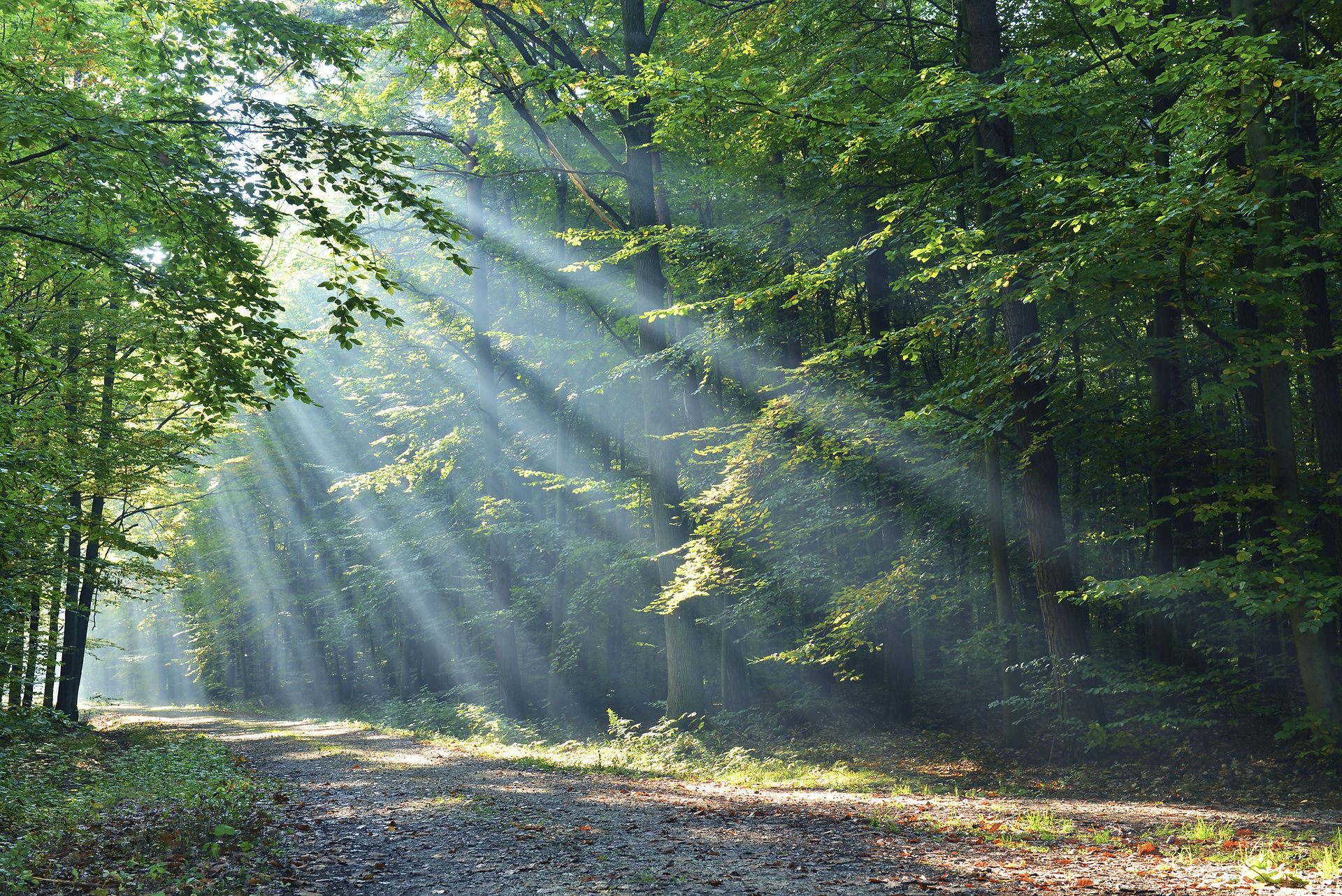
All roads lead to Santiago!
Go walking the pilgrimage routes differently: from the great historical routes to the more secret variants, discover quieter and less frequented itineraries in France and Spain.

Compostela Differently: Routes in France
Walking to Santiago de Compostela is much more than just a hiking route: it's a spiritual, cultural, and human experience that unfolds along a multitude of paths. Whether you start from Le Puy-en-Velay, Vézelay, Arles, or Mont-Saint-Michel, each route tells a story and invites you to slow down.
Around Cahors, for example, the beating heart of the Via Podiensis, quieter variations like the Célé Valley or the detour to the Rocamadour sanctuary offer a more intimate experience, far from the crowds of the main hiking trails.
Major Pilgrimage Routes in France
France is crisscrossed by an exceptional network of spiritual routes, inherited from the Middle Ages. A few are listed below (this list is not exhaustive):
Via Podiensis (The Way of Le Puy): Starting in Le Puy-en-Velay, it crosses the Aubrac plateau, the Lot Valley, and the Basque Country to reach the charming village of Saint-Jean-Pied-de-Port, the starting point of the famous Camino Francés, which traverses all of Spain to the Cathedral of Santiago de Compostela. In my opinion, the Via Podiensis is one of the most emblematic routes, dotted with beautiful medieval villages and small chapels. It was actually from Le Puy-en-Velay that I took my first steps in 2013, but everyone has their own perspective :-)
Via Turonensis (Tours Way): from Paris and the Loire Valley, it leads southwest, passing through the major cities of Tours and Poitiers.
Via Lemovicensis (Vézelay Way): from the Vézelay Basilica, a major spiritual center, it crosses the Burgundy region and joins the other main routes to Spain.
Via Tolosana (Arles Way): a more southerly route, it connects Arles to the Pyrenees, passing through the cities of Montpellier and Toulouse, and the Pyrenean foothills.
Piedmont Way: a lesser-known route that runs along the foothills of the Pyrenees, offering tranquility and magnificent scenery.
The Coastal Route: The Atlantic Way follows the coastline from Brittany and the Vendée coast to the Basque Country, passing through La Rochelle, Rochefort, and the Gironde estuary.
The Mont-Saint-Michel Routes: Several itineraries converge on this iconic sanctuary in Normandy and Brittany, which once attracted pilgrims from all over the world, long before the pilgrimage to the Cathedral of Santiago de Compostela.
Other ideas for spiritual journeys in France
Tro Breiz (Tour of Brittany): a loop connecting the seven ancient Breton bishoprics.
Saint Martin's Way: following in the footsteps of the evangelizing saint, particularly along the Loire River.
The Way of the Good Men: between Ariège and Catalonia, in the heart of Cathar Country.
In the Footsteps of the Huguenots: a historical route retracing the Protestant exile.
And don't forget the major sanctuaries: Lourdes, Rocamadour, La Salette, Vézelay, Ars, and Mont Sainte-Odile.

In Spain, the pilgrimage to Santiago de Compostela also takes many forms. Beyond the famous Camino Francés, numerous variations allow for a different kind of pilgrimage experience.
Here are the main routes of the Camino de Santiago in Spain
Each route leads to the Cathedral of Santiago de Compostela, but each has its own identity, landscapes, and atmosphere.
The Camino Francés (French Way): arguably the most iconic. Starting in Saint-Jean-Pied-de-Port, it crosses the regions of Navarre, La Rioja, Castile and León before entering Galicia. It is the most popular route, rich in medieval heritage and accommodation for pilgrims.
The Camino del Norte (Northern Way): it follows the Cantabrian coast from the town of Irún (not far from the French border near Hendaye). More demanding, it offers spectacular views of the ocean and important historical cities such as Bilbao, Santander, and Oviedo.
The Camino Primitivo (Original Way): starting in Oviedo, it follows the route of the first pilgrimage dating back to the 9th century. Shorter but also more mountainous, it is renowned for its authenticity and spiritual dimension.
Via de la Plata (Mozarabic Way): Starting in Seville, this long route crosses Andalusia and Extremadura. Less frequented, it captivates with its arid landscapes and Roman ruins.
Other alternatives
Beyond the main routes, several variations allow you to personalize your pilgrimage according to your preferences, whether by sea or mountain:
The Camino Inglés (English Way): It begins in the ports of Ferrol or La Coruña, historically used by pilgrims arriving by boat.
The Camino Finisterre and Muxía: This is the extension towards the Atlantic Ocean, all the way to the "end of the medieval world" at Finisterre, and even better, to the Marian shrine of Muxía.
The Camino Sanabrés: This is a variant of the Via de la Plata, leading directly to Santiago de Compostela from the city of Ourense.
The Camino Aragonés: Starting from the Somport Pass, it crosses the Aragonese Pyrenees before joining the Camino Francés.
and well beyond Spain
The Camino Portugués (Portuguese Way): Starting from the city of Porto or Lisbon, it crosses northern Portugal before entering Galicia. A coastal variant is possible, following the Atlantic coast. Some pilgrims make a detour to make the pilgrimage to Fátima.
The Via Francigena: Leading from the city of Canterbury in England to Rome, a major alternative for pilgrims. who have already walked the Camino de Santiago.
Other pilgrimage routes around the world: the Kumano Kodo in Japan, the Char Dham Yatra in India located in the Himalayas, the routes to Jerusalem, the pilgrimage to the Basilica of Guadalupe in Mexico, the Caminho da Fé ("Path of Faith") in Brazil...
In short: you can choose your route in Spain, depending on the experience you want:
The Camino Francés for its friendly atmosphere and rich culture.
The Camino del Norte for the wild beauty of the coast.
The Primitivo for its authenticity and spirituality.
The Via de la Plata for solitude and wide open spaces.
The Camino Portugués for a gentler, more accessible approach.
Each route is an invitation to walk differently, to discover unique landscapes, and to experience an inner adventure at your own pace. Each pilgrimage path embodies a personal quest: to walk, to pray, to purify oneself, and to connect with a millennia-old tradition.
Choosing your route means choosing your pace, your landscape, and your inner experience. Whether you start from France, Spain, Portugal, Italy, or further afield, each step will bring you closer to yourself, regardless of your starting point. This path is yours; never forget that. It is unique. It is neither more beautiful nor greater than that of your fellow pilgrim. It is simply different from all others.
👉 On this website, I share my unique rollercoaster journey to Santiago de Compostela. For me, the most important thing is to create and follow your own path: taking many detours to visit historical sites (places frequented by pilgrims in the Middle Ages), favoring the most remote natural landscapes, and traversing the mountains.
The harder the journey, the longer the journey. Ultreia!
You will find in the following pages, step by step all my itineraries seen from the sky .
More soon ... So subscribe to the site here .
Buen camino !!! Lionel de Compostelle


